
The Auden’s Col expedition is one of the most challenging and adventurous high-altitude crossings in the Indian Himalayas. Situated at approximately 5,490 meters, the col connects the Rudugaira Valley to the Bhilangana Valley, forming a dramatic link between the Gangotri Glacier region and the remote Khatling Glacier side.
Named after British geologist John Bicknell Auden, who first crossed it in 1935, this expedition is not a simple trek but a technical glacier traverse. The route involves crossing the crevasse-ridden Gangotri and Rudugaira glaciers, navigating steep snow slopes, and using rope techniques for safety. The terrain is wild, isolated, and far less commercialized compared to popular trekking routes.
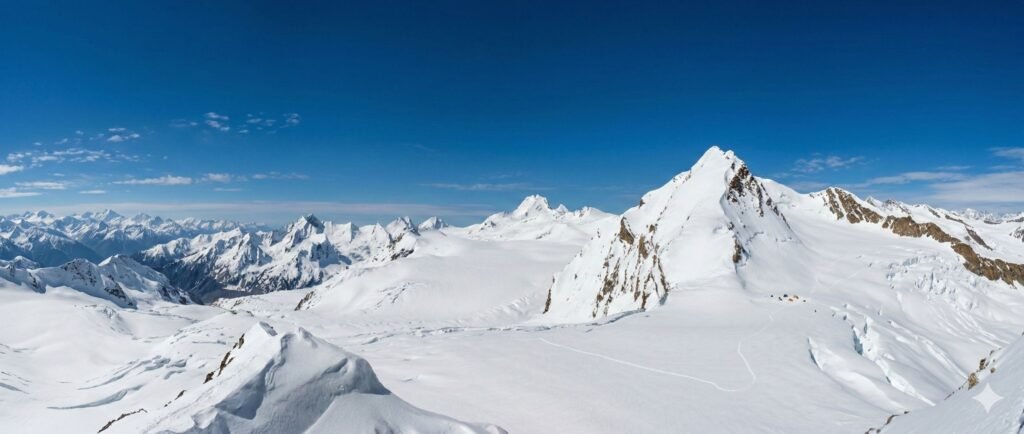
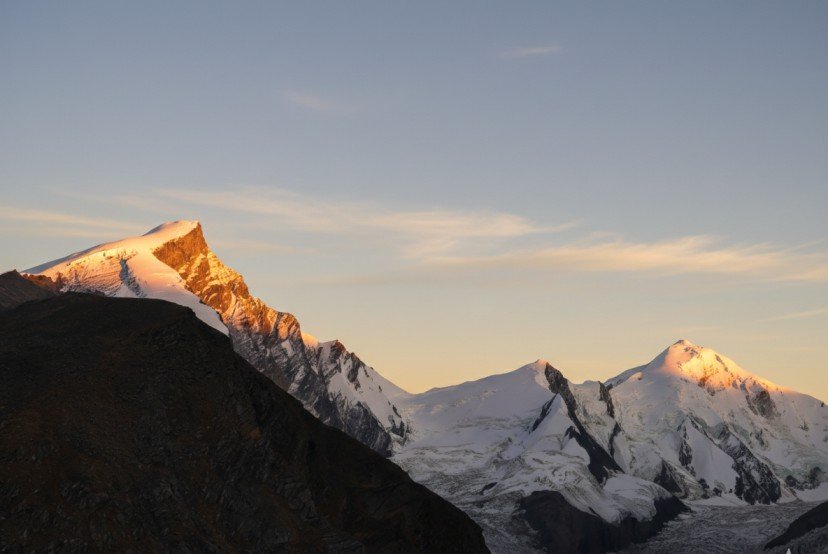
The journey offers breathtaking views of towering Himalayan peaks such as Jogin, Gangotri group, and other Garhwal giants. Due to its technical nature, Auden’s Col is recommended only for experienced trekkers or climbers with prior glacier travel and rope-handling skills.
Overall, Auden’s Col is considered a true expedition experience — raw, demanding, and incredibly rewarding — making it one of the most prestigious high-altitude crossings in Uttarakhand.
Your journey begins with a long yet breathtaking drive from Dehradun into the heart of Garhwal. As the plains slowly disappear behind you, the road begins to curve and climb through dense forests, deep valleys, and alongside the roaring Bhagirathi River. The mountains rise higher with every passing hour, and the air gradually turns crisp and thin. By the time you reach Gangotri at 3,100 meters, you feel the shift — spiritually and physically.
This day is dedicated to acclimatization, an essential preparation before entering higher altitudes. After breakfast, you take a gradual hike to the ancient Pandav Gufa, believed to be a meditation spot of the Pandavas, allowing your body to adapt naturally to the elevation. Visits to Gauri Kund and Surya Kund expose you to the dramatic force of Himalayan waterfalls crashing through narrow rock gorges. Later in the day, you visit the revered Gangotri Temple, where the spiritual atmosphere deepens your connection to the land you are about to traverse.
Leaving civilization behind, the trek officially begins as you enter the rugged Rudugaira valley. The trail winds through thinning forests of birch and pine before gradually opening into alpine terrain. The sound of flowing streams accompanies you as the path becomes rockier and steeper. With every step, you gain altitude, and the landscape slowly transforms from green slopes to more barren, high-altitude surroundings. By the time you reach Nala Camp at 3,750 meters, you feel the first real challenge of the mountains.
The ascent becomes more demanding as you move toward Rudugaira Camp. Vegetation nearly disappears, replaced by loose moraine, glacial debris, and occasional snow patches depending on the season. The oxygen level drops noticeably, and the pace becomes slower and more deliberate. Massive Himalayan walls begin to dominate the skyline, and the valley narrows into a dramatic alpine corridor. Reaching 4,350 meters is a significant milestone, and the camp here feels remote and powerful.
At this altitude, acclimatization is not optional — it is mandatory. The day is spent resting, hydrating, and taking a short acclimatization hike to a slightly higher ridge before descending back to the same camp. This climb-high, sleep-low strategy helps your body adjust to thinner air. The surrounding glaciers and snowfields provide a preview of the terrain awaiting you near Auden’s Col. Expedition leaders conduct safety briefings and review rope techniques, as the next phase involves glacier travel and technical sections.
Today you move into serious glacial terrain. The trail crosses moraine fields, icy stretches, and potential crevasse zones. The environment feels raw and untouched, with towering snow walls ahead signaling your approach toward Auden’s Col. The altitude gain, though gradual, feels heavier due to thinner air. By the time you establish camp at 4,750 meters, you are standing beneath one of the most formidable passes in the region.
The summit push begins before dawn under a sky filled with stars. The climb to Auden’s Col is steep, often requiring fixed ropes and careful foot placement on hard snow. At 5,500 meters, every breath demands effort, and the wind can be fierce. Standing at the col offers an overwhelming 360-degree panorama of endless Himalayan ranges — a reward few ever witness. The descent toward Khatling Glacier is equally demanding, requiring extreme caution across crevasse-prone areas. After nearly 10 to 12 hours of continuous effort, you finally reach camp on the Khatling side, exhausted but victorious.
The long descent from glacier terrain begins today. You navigate unstable moraine, cross icy streams, and gradually leave behind the stark white world of snow and ice. As altitude decreases, oxygen feels richer and the body begins to recover slightly. The valley opens up, and distant waterfalls become visible. Camp is established near Zero Point or a waterfall site, offering a dramatic yet calmer environment after the intensity of Auden’s Col.
After consecutive high-altitude efforts, this rest day is essential for recovery. Muscles heal, equipment dries, and the team regains strength for the upcoming Mayali Pass crossing. The surrounding valley provides a sense of isolation and reflection, allowing trekkers to process the achievement of crossing Auden’s Col while mentally preparing for another major challenge ahead.
The trail becomes greener as you descend into alpine meadows and shepherd routes. After days of glaciers and snowfields, the sight of vegetation feels refreshing. Streams flow gently through open valleys, and the terrain, though still rugged, becomes comparatively easier. Chowki offers a comfortable campsite surrounded by natural beauty, marking the transition from extreme glacial terrain to mixed alpine landscapes.
The approach to Masar Tal is serene and picturesque. The path climbs gradually through meadows and rocky ridges before revealing the tranquil high-altitude lake. Masar Tal sits quietly amid towering cliffs and open sky, reflecting changing mountain colors at sunset. The peaceful environment contrasts sharply with the harsh glacier days behind you, providing a spiritually calming experience.
Another early start leads you toward Mayali Pass at 5,000 meters. The ascent is steep and demanding, with sections of snow and loose rock. The wind can be strong, and the climb tests endurance once again. From the top, the view stretches toward the Kedarnath massif, signaling the final stage of this grand traverse. The descent toward Vasuki Tal reveals a sacred alpine lake nestled beneath dramatic peaks. Camp near Vasuki Tal feels both triumphant and humbling.
The descent from Vasuki Tal gradually brings you into the Mandakini valley. As you approach Kedarnath Temple, emotions run deep. After crossing two high passes and traversing glaciers, arriving here feels earned rather than visited. The temple stands strong against the Himalayan backdrop, and the spiritual atmosphere is overwhelming. The evening darshan marks the culmination of an extraordinary journey.
The descent to Gaurikund follows the established pilgrimage trail. The path is long but steady, and oxygen levels improve significantly as you lose altitude. The warmth of lower elevations and the sense of nearing civilization bring comfort. Upon reaching Gaurikund, the expedition phase officially concludes, leaving behind a deep sense of achievement.
The final drive to Rishikesh retraces river valleys through the heart of Garhwal. As mountains slowly give way to lower hills, the journey transitions from expedition to memory. Reaching Rishikesh by evening, you carry not just photographs but a life-defining Himalayan crossing from Gangotri to Kedarnath — one of the most challenging and spiritually powerful traverses in India.
Transportation: Dehradun to Dehradun as per the itinerary
Meals: All meals from Day 1 onwards during the trek and at guesthouses
Accommodation: Guesthouse stays and high-quality camping arrangements
Camping Equipment: Tents, mattresses, and sleeping bags suitable for high-altitude conditions
Toilet Facilities: Dry pit-style toilet tents at campsites
Kitchen Setup: Dedicated kitchen tent with all equipment and rations
Trek Leadership: Certified trek leader assisted by an experienced assistant trek leader / local guide
Support Team: Trained high-altitude support staff
Cook & Helpers: Experienced mountain cook and camp helpers
Logistics Support: Porters / mules for carrying common equipment and supplies
Qualified Leadership: Mountaineering course–certified trek leader for technical sections
Local Expertise: Local support team providing on-ground geographical and route intelligence
Technical Gear: Crampons or micro-spikes provided to trekkers if required
Personal Luggage: Mules or porters for carrying individual personal luggage
Emergency Evacuation: Any costs related to emergency evacuation, rescue, or medical services
Early Exit from Trek: Expenses incurred if a participant leaves the trek before completion due to personal reasons, health issues, or any other cause
Personal Requests: Any additional services such as a personal guide, special meals, personal porter, or private vehicle
Unspecified Items: Anything not explicitly mentioned under the “Inclusions” section
Insulated Jackets:
1 Fleece jacket
1 Down feather jacket
Warm Innerwear
Gloves:
1 Pair woollen gloves
1 Pair waterproof gloves
Trekking Pants: 2 pairs (comfortable for full-day trekking)
T-Shirts: 4 in total
2 Full-sleeve
2 Half-sleeve
Sweaters:
1 Fleece
1 Woollen
Socks: 5 pairs
3 Cotton
2 Woollen
Rain Protection: Raincoat or poncho
Personal Items: Handkerchiefs and towels
● Poncho – Rs. 200
● Gloves – Rs. 200
● Head torch – Rs. 150
● Trekking Shoe – Rs. 500
● Gopro – Rs. 2500
● Winter jacket- Rs. 500
● Trekking pole – Rs. 200
● Trek pant – Rs. 400
By Air
Jolly Grant Airport (DED) serves Dehradun and is located approximately 25 km from the city.
There are daily direct flights from Delhi to Dehradun.
By Train
You can take an overnight train from Delhi to Dehradun. Recommended options include:
Nanda Devi Express (Train No. 12205)
Departure: 11:50 PM | Arrival: 5:40 AM
Dehradun Express (Train No. 12687)
Departure: 9:10 PM | Arrival: 5:00 AM
By Bus
Regular bus services operate from ISBT Kashmere Gate, Delhi to Dehradun.
We strongly recommend using government buses only from ISBT Kashmere Gate.
Private buses operating outside ISBT are not considered reliable.
Buses usually drop passengers at Dehradun ISBT. From there, proceed to Dehradun Railway Station.
Pickup Point: Dehradun Railway Station
Pickup Time: 7:00 AM
Transport Provider: Hiking Trail vehicles
Pickup Cost: Included in the trek fee
Expected Arrival at Sankri: Around 6:00 PM

WhatsApp us