The Bali Pass Trek is one of the most thrilling and demanding high-altitude treks in the Indian Himalayas. Connecting the Yamunotri valley to the Har Ki Dun–Ruinsara valley, this expedition-style trek is known for its dramatic landscapes, raw wilderness, and a heart-pounding summit day.
Standing tall at ~16,200 ft (4,950 m), Bali Pass challenges both your physical endurance and mental grit—making it a dream trek for seasoned trekkers who want to push their limits.
Whenever we talk about Kashmir, we are overwhelmed by the thought of beauty, serenity, love, and peace. There cannot be a better way to experience Kashmir than the Kashmir Great Lakes Trek. The trek begins at the Shitkari Base camp, around 78 km from Srinagar. The highest point of the Kashmir Great Lakes Trek is the Gadsar Pass, which sits at around 13800 ft. The entire trek requires around 8 days to complete and falls into the Moderate category.
Your journey begins with a scenic drive from Dehradun to Sankri, passing through Mussoorie, Purola, and Mori. The road runs alongside the Tons and Supin rivers, offering beautiful mountain views and glimpses of local Garhwali life.
On arrival, check into a guesthouse, meet the trek leader, and attend a briefing & gear check. Evening acclimatization walk around Sankri village.
After breakfast, drive to Taluka, the roadhead of the trek. Begin trekking through dense pine and deodar forests, crossing wooden bridges and flowing streams.
The trail gradually opens into beautiful clearings with river views as you reach Seema, a peaceful campsite near the Supin River.
Today’s trail continues deeper into the valley. You’ll walk through lush meadows, forest sections, and riverside paths, with towering Himalayan walls on both sides.
Rain Basera is a secluded campsite surrounded by wilderness, perfect for gradual acclimatization.
A shorter but extremely scenic day. The landscape changes dramatically as you approach Ruinsara Tal, one of the most beautiful high-altitude lakes in Uttarakhand.
Snow-clad peaks reflect in the crystal-clear waters, creating a surreal atmosphere. The campsite near the lake is one of the highlights of the entire trek.
Today you move closer to the Bali Pass base region. The trail ascends gradually over glacial terrain and alpine landscapes.
Odari is a high-altitude campsite located below massive rock walls and snowfields. The surroundings feel raw, remote, and expedition-like.
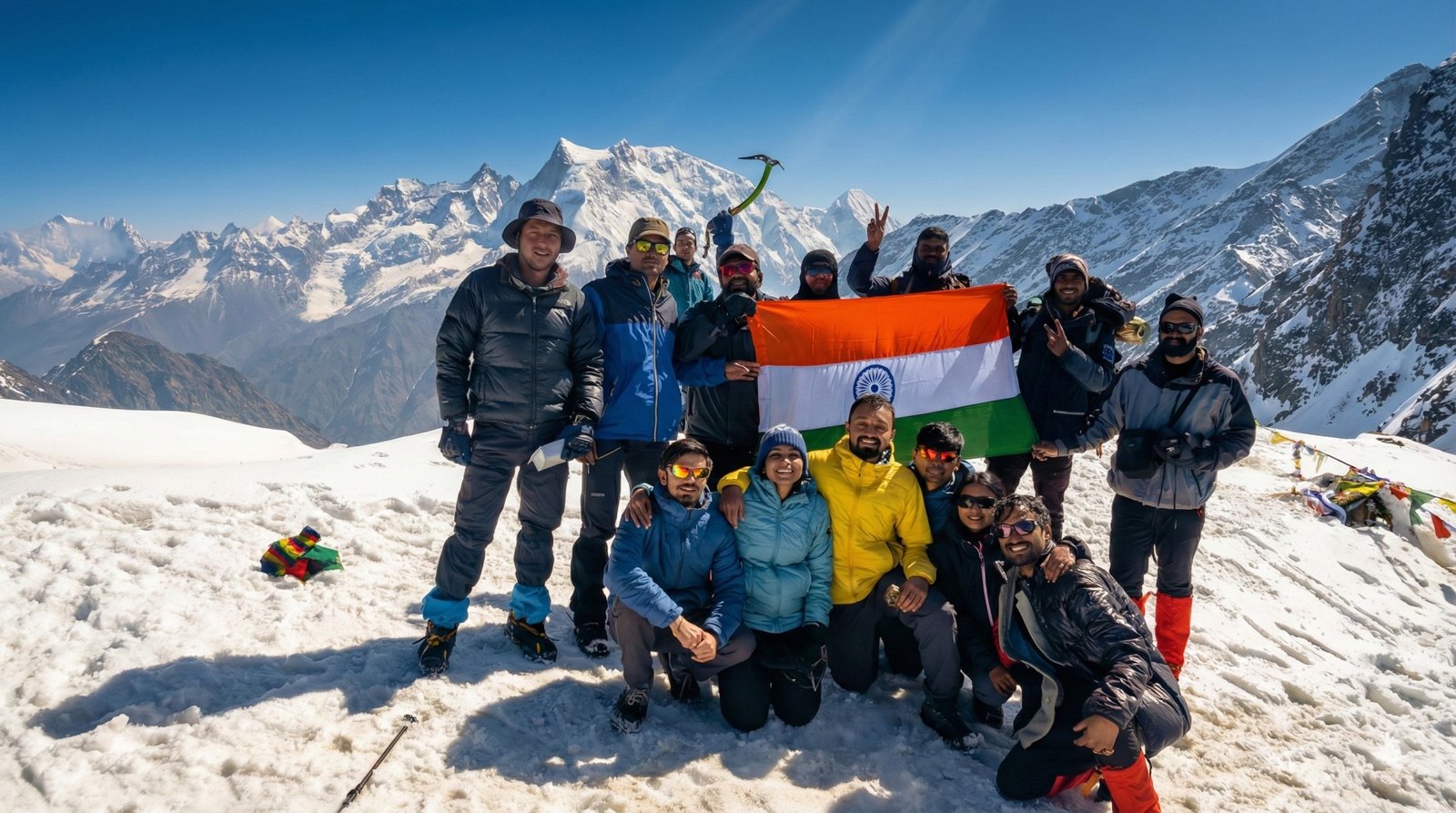
This is the most challenging and rewarding day of the trek. An early alpine start takes you across steep snow slopes to Bali Pass summit.
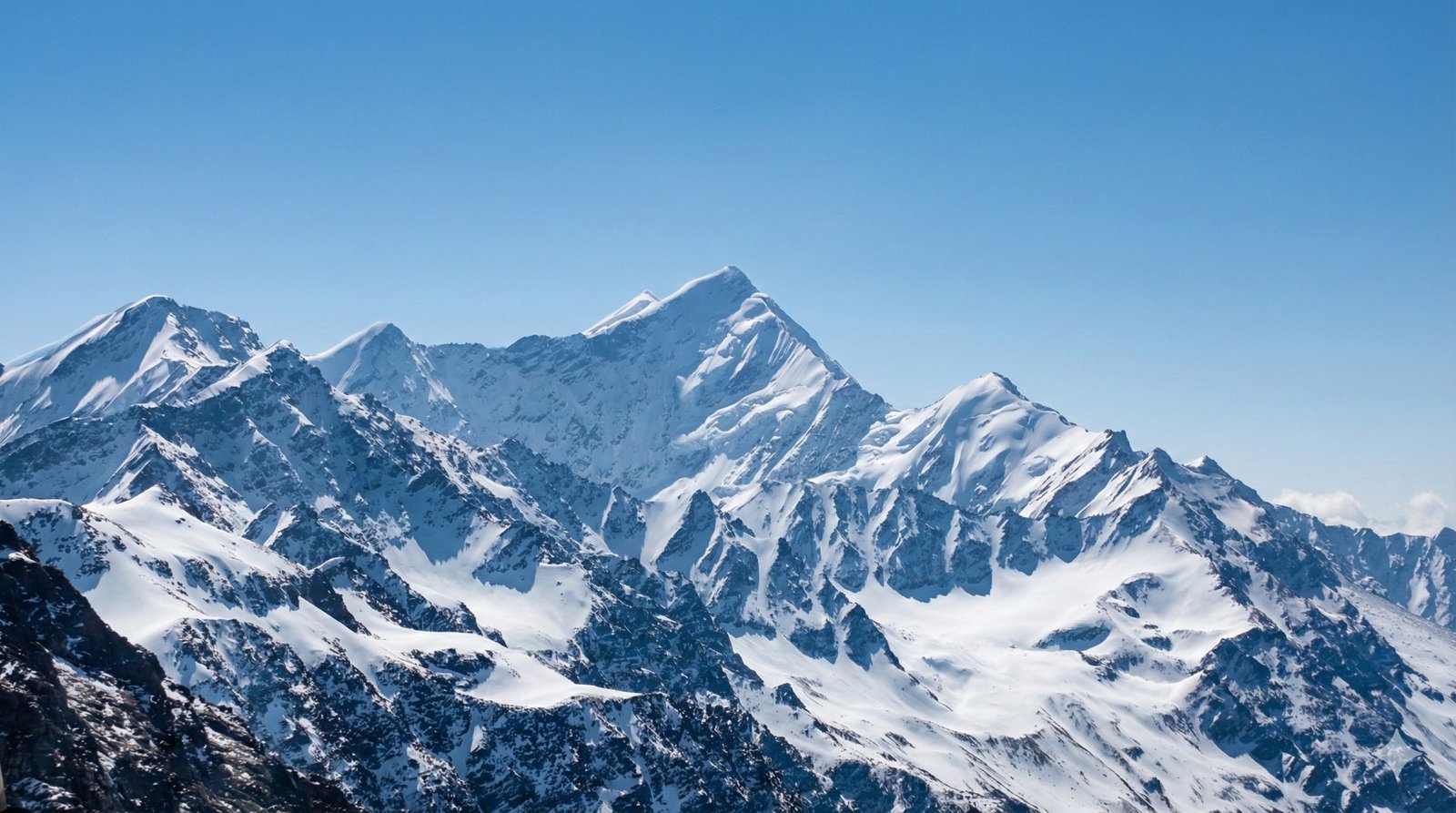
The climb involves technical sections, often requiring ropes, crampons, and ice axes. From the top, witness breathtaking views of Swargarohini, Bandarpoonch, and Kalanag (Black Peak).
The descent towards Lower Damini is steep and demanding, testing endurance and focus.
The trail descends through alpine meadows and forest sections, gradually merging into the Yamunotri pilgrimage route.
Reach Yamunotri Dham, one of the four sacred Char Dhams. Trekkers may visit the temple and hot springs before concluding the trek.
If unused, the day can be utilized for rest or an early departure
Transportation: Dehradun to Dehradun as per the itinerary
Meals: All meals from Day 1 onwards during the trek and at guesthouses
Accommodation: Guesthouse stays and high-quality camping arrangements
Camping Equipment: Tents, mattresses, and sleeping bags suitable for high-altitude conditions
Toilet Facilities: Dry pit-style toilet tents at campsites
Kitchen Setup: Dedicated kitchen tent with all equipment and rations
Trek Leadership: Certified trek leader assisted by an experienced assistant trek leader / local guide
Support Team: Trained high-altitude support staff
Cook & Helpers: Experienced mountain cook and camp helpers
Logistics Support: Porters / mules for carrying common equipment and supplies
Qualified Leadership: Mountaineering course–certified trek leader for technical sections
Local Expertise: Local support team providing on-ground geographical and route intelligence
Technical Gear: Crampons or micro-spikes provided to trekkers if required
Personal Luggage: Mules or porters for carrying individual personal luggage
Emergency Evacuation: Any costs related to emergency evacuation, rescue, or medical services
Early Exit from Trek: Expenses incurred if a participant leaves the trek before completion due to personal reasons, health issues, or any other cause
Personal Requests: Any additional services such as a personal guide, special meals, personal porter, or private vehicle
Unspecified Items: Anything not explicitly mentioned under the “Inclusions” section
Insulated Jackets:
1 Fleece jacket
1 Down feather jacket
Warm Innerwear
Gloves:
1 Pair woollen gloves
1 Pair waterproof gloves
Trekking Pants: 2 pairs (comfortable for full-day trekking)
T-Shirts: 4 in total
2 Full-sleeve
2 Half-sleeve
Sweaters:
1 Fleece
1 Woollen
Socks: 5 pairs
3 Cotton
2 Woollen
Rain Protection: Raincoat or poncho
Personal Items: Handkerchiefs and towels
● Poncho – Rs. 200
● Gloves – Rs. 200
● Head torch – Rs. 150
● Trekking Shoe – Rs. 500
● Gopro – Rs. 2500
● Winter jacket- Rs. 500
● Trekking pole – Rs. 200
● Trek pant – Rs. 400
By Air
Jolly Grant Airport (DED) serves Dehradun and is located approximately 25 km from the city.
There are daily direct flights from Delhi to Dehradun.
By Train
You can take an overnight train from Delhi to Dehradun. Recommended options include:
Nanda Devi Express (Train No. 12205)
Departure: 11:50 PM | Arrival: 5:40 AM
Dehradun Express (Train No. 12687)
Departure: 9:10 PM | Arrival: 5:00 AM
By Bus
Regular bus services operate from ISBT Kashmere Gate, Delhi to Dehradun.
We strongly recommend using government buses only from ISBT Kashmere Gate.
Private buses operating outside ISBT are not considered reliable.
Buses usually drop passengers at Dehradun ISBT. From there, proceed to Dehradun Railway Station.
Pickup Point: Dehradun Railway Station
Pickup Time: 7:00 AM
Transport Provider: Hiking Trail vehicles
Pickup Cost: Included in the trek fee
Expected Arrival at Sankri: Around 6:00 PM
WhatsApp us