
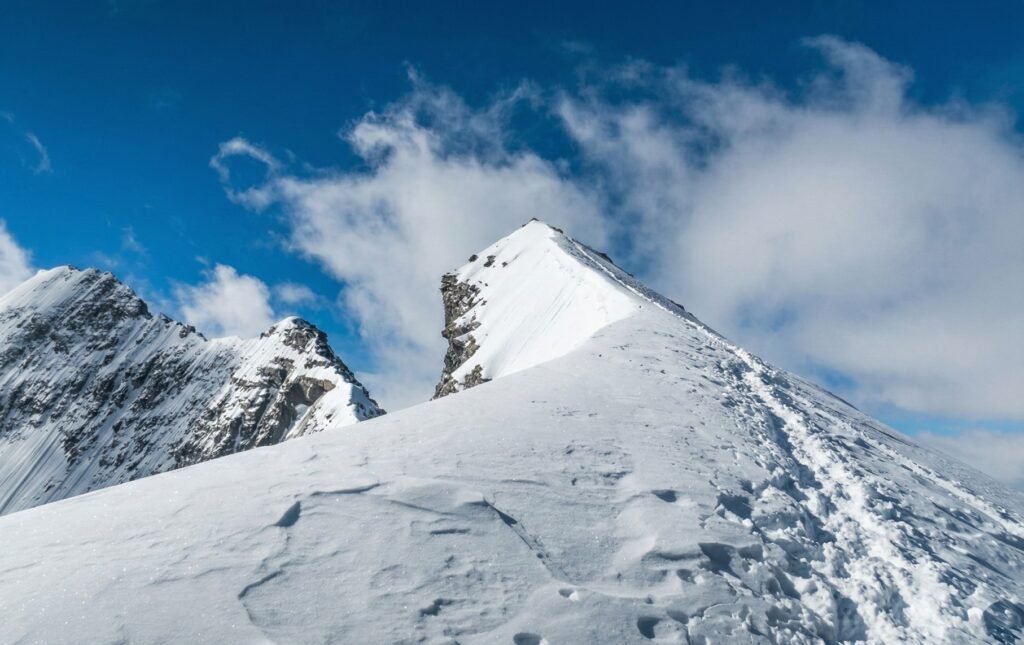
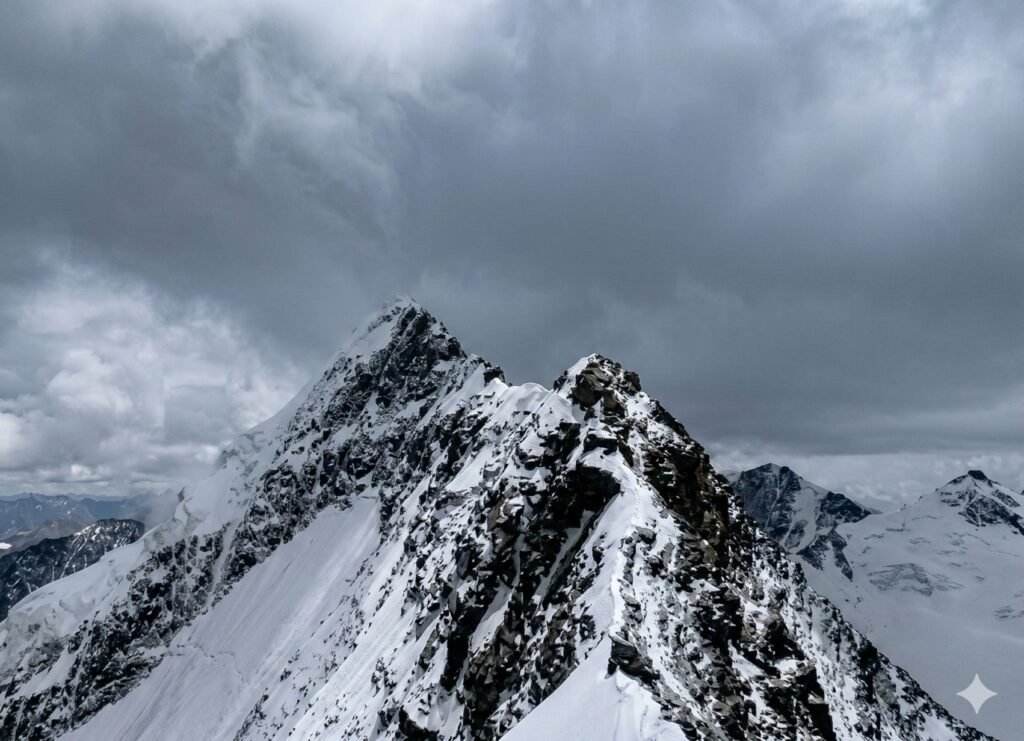
The Kang Yatse expedition in Ladakh offers an incredible opportunity to summit two magnificent 6000-meter peaks, Kang Yatse I (6,400m) and Kang Yatse II (6,250m), rising above the breathtaking landscapes of Markha Valley. The journey blends scenic high-altitude trekking with real Himalayan mountaineering experience, beginning with proper acclimatization in Leh and gradually ascending through remote villages and alpine camps. Kang Yatse II is considered a physically demanding yet non-technical climb, making it ideal for strong trekkers attempting their first 6000-meter summit. In contrast, Kang Yatse I is a more technical and challenging ascent requiring prior experience with glacier travel, rope techniques, and ice climbing. The summit views reward climbers with vast panoramas of the Zanskar and Karakoram ranges.
What makes the Kang Yatse expedition special is the rare combination of a beautiful Himalayan trek and a true 6000-meter mountaineering experience in one journey. Located in the dramatic Markha Valley, it allows climbers to pass through remote Ladakhi villages, high-altitude meadows, and vast glaciers before attempting the summit. Kang Yatse II offers an achievable yet thrilling first 6000m peak, while Kang Yatse I provides a more technical challenge for experienced climbers. The summit views stretch across the Zanskar and Karakoram ranges, delivering an unforgettable panoramic reward. Unlike many crowded peaks, it still retains a raw and less commercialized expedition feel. Most importantly, it builds real high-altitude confidence, making it an ideal stepping stone toward bigger Himalayan and international climbs.
Arrive in Leh and transfer to your hotel. Complete rest is mandatory to begin acclimatization. Drink plenty of water and avoid alcohol. In the evening, take a short, slow walk around Leh market to help your body adjust to the altitude.
After breakfast, visit nearby monasteries such as Thiksey or Shey Palace (optional sightseeing). You may also hike to Shanti Stupa (around 3,800m) for active acclimatization. The goal is “climb high, sleep low.” Return to hotel for briefing about the trek and equipment check.
Drive 2–3 hours to Skiu, the starting point of the trek. Begin walking along the Markha River. The trail is mostly gradual with small ascents and river crossings. Reach Sara village by evening and camp near the river.
Today’s trail passes through narrow gorges, willow trees, and small settlements. You will cross the river multiple times. Markha village is one of the largest villages in the valley with ancient monasteries and traditional Ladakhi houses.
The valley opens up, offering your first clear views of Kang Yatse peaks in the distance. The trail ascends gradually. Reach Hankar village, the last permanent settlement in the valley.
A steady climb takes you to Nimaling, a vast high-altitude meadow used by shepherds. Kang Yatse towers directly above the campsite. This is one of the most scenic camps of the expedition.
Rest day for altitude adaptation. Short hike toward Kang Yatse Base Camp (5,000m) and back. Conduct training session covering crampon walking, ice axe arrest, rope techniques, and glacier safety.
Gradual ascent over moraine and rocky terrain to reach Base Camp. Set up camp and hydrate well. Evening briefing for summit strategy and weather assessment.
Midnight wake-up and alpine start (1–2 AM). Climb gradual snow slopes with headlamps. Final ridge walk leads to the summit by sunrise. Spend short time at the top for photos before descending carefully to Base Camp.
Alpine start. Steeper snow/ice sections and possible crevasses. Requires rope travel and strong technical skills. Summit and descend safely to Base Camp.
Begin descent via Nimaling. The return feels faster as you lose altitude. Overnight at Hankar.
Long descent through Markha and Sara. Reach Skiu by evening. Vehicle pickup and transfer to Leh.
Buffer day for weather contingency or rest. Celebration dinner and certificate distribution.
Transfer to Leh airport with unforgettable summit memories.
Meals: All meals from Day 1 onwards during the trek and at guesthouses
Accommodation: Guesthouse stays and high-quality camping arrangements
Camping Equipment: Tents, mattresses, and sleeping bags suitable for high-altitude conditions
Toilet Facilities: Dry pit-style toilet tents at campsites
Kitchen Setup: Dedicated kitchen tent with all equipment and rations
Trek Leadership: Certified trek leader assisted by an experienced assistant trek leader / local guide
Support Team: Trained high-altitude support staff
Cook & Helpers: Experienced mountain cook and camp helpers
Logistics Support: Porters / mules for carrying common equipment and supplies
Qualified Leadership: Mountaineering course–certified trek leader for technical sections
Local Expertise: Local support team providing on-ground geographical and route intelligence
Technical Gear: Crampons or micro-spikes provided to trekkers if required
Personal Luggage: Mules or porters for carrying individual personal luggage
Emergency Evacuation: Any costs related to emergency evacuation, rescue, or medical services
Early Exit from Trek: Expenses incurred if a participant leaves the trek before completion due to personal reasons, health issues, or any other cause
Personal Requests: Any additional services such as a personal guide, special meals, personal porter, or private vehicle
Unspecified Items: Anything not explicitly mentioned under the “Inclusions” section
Insulated Jackets:
1 Fleece jacket
1 Down feather jacket
Warm Innerwear
Gloves:
1 Pair woollen gloves
1 Pair waterproof gloves
Trekking Pants: 2 pairs (comfortable for full-day trekking)
T-Shirts: 4 in total
2 Full-sleeve
2 Half-sleeve
Sweaters:
1 Fleece
1 Woollen
Socks: 5 pairs
3 Cotton
2 Woollen
Rain Protection: Raincoat or poncho
Personal Items: Handkerchiefs and towels
● Poncho – Rs. 200
● Gloves – Rs. 200
● Head torch – Rs. 150
● Trekking Shoe – Rs. 500
● Gopro – Rs. 2500
● Winter jacket- Rs. 500
● Trekking pole – Rs. 200
● Trek pant – Rs. 400
By Air
Jolly Grant Airport (DED) serves Dehradun and is located approximately 25 km from the city.
There are daily direct flights from Delhi to Dehradun.
By Train
You can take an overnight train from Delhi to Dehradun. Recommended options include:
Nanda Devi Express (Train No. 12205)
Departure: 11:50 PM | Arrival: 5:40 AM
Dehradun Express (Train No. 12687)
Departure: 9:10 PM | Arrival: 5:00 AM
By Bus
Regular bus services operate from ISBT Kashmere Gate, Delhi to Dehradun.
We strongly recommend using government buses only from ISBT Kashmere Gate.
Private buses operating outside ISBT are not considered reliable.
Buses usually drop passengers at Dehradun ISBT. From there, proceed to Dehradun Railway Station.
Pickup Point: Dehradun Railway Station
Pickup Time: 7:00 AM
Transport Provider: Hiking Trail vehicles
Pickup Cost: Included in the trek fee
Expected Arrival at Sankri: Around 6:00 PM

WhatsApp us