Har ki dun Trek
Overview
Har Ki Dun Trek
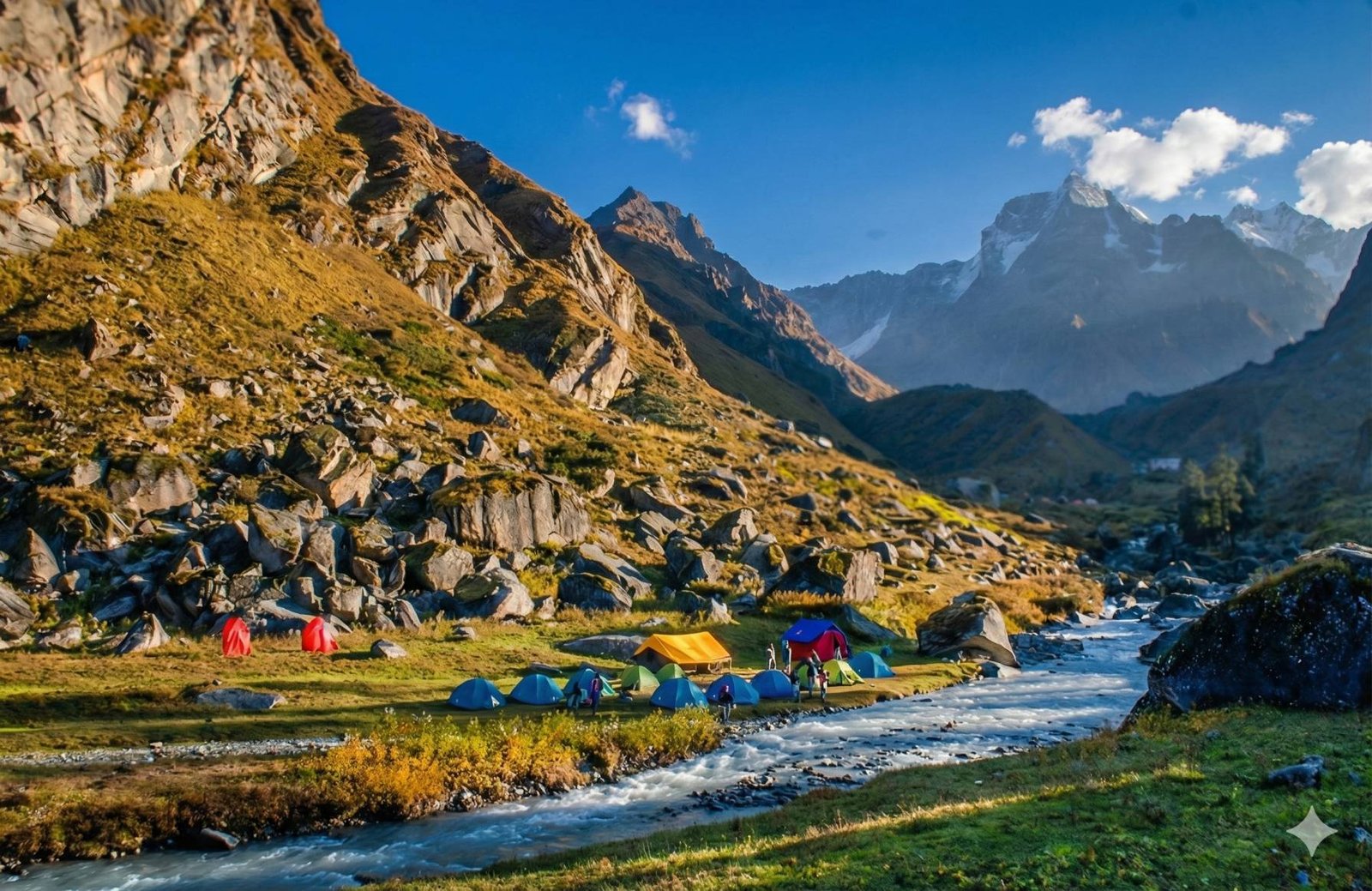
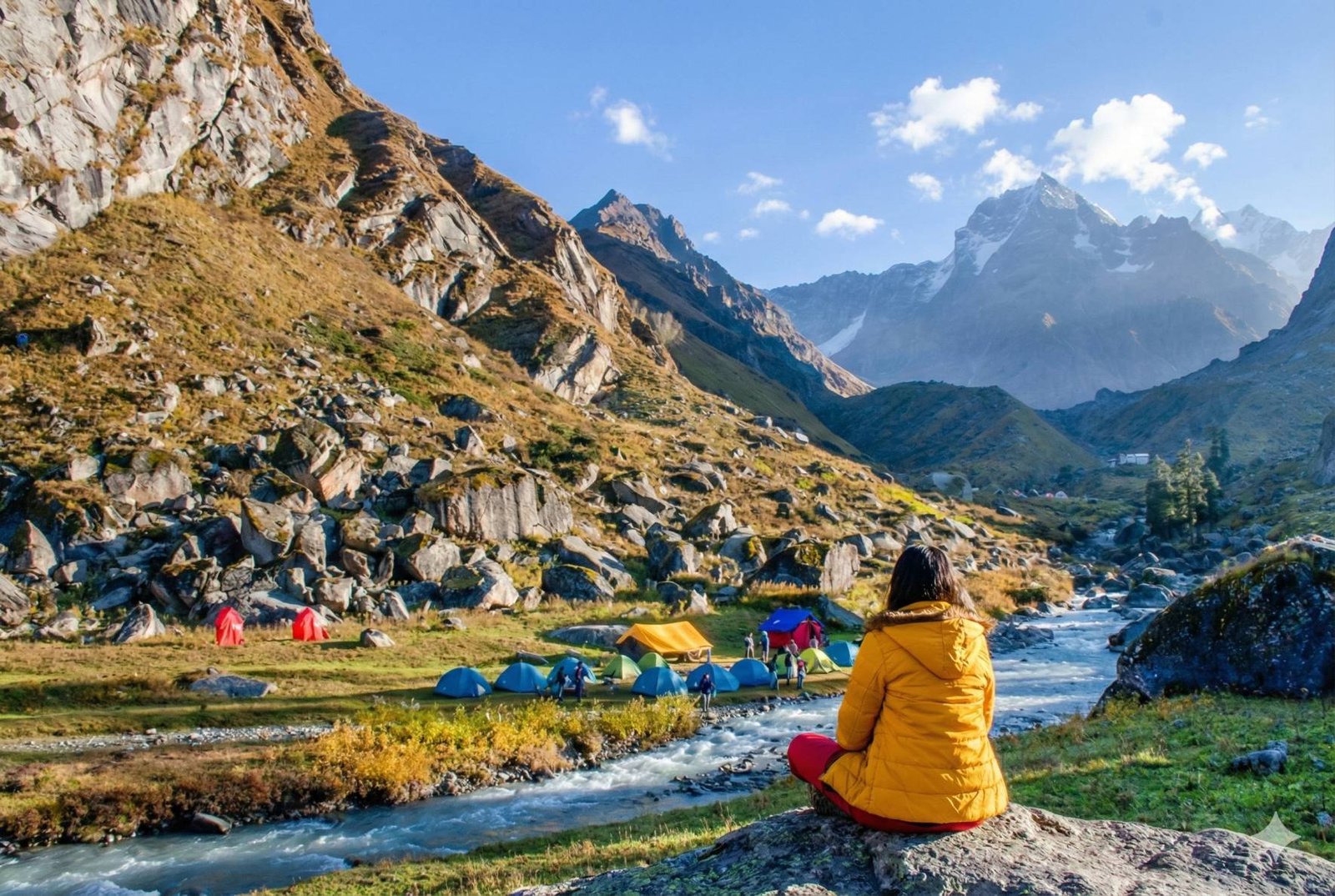
The Har Ki Dun Trek, nestled deep inside Govind National Park in the Garhwal Himalayas, is one of the most scenic and culturally rich treks in Uttarakhand. Known as the “Valley of Gods”, Har Ki Dun offers a perfect blend of alpine forests, river-side camps, ancient villages, and dramatic snow-capped peaks.
This trek is ideal for beginners as well as experienced trekkers who want a relaxed yet rewarding Himalayan journey. The trail follows the Tons River valley, passing through charming villages like Osla, dense pine and deodar forests, and wide mountain meadows. From the Har Ki Dun viewpoint, trekkers are rewarded with majestic views of Swargarohini, Black Peak, Hata Peak, and other towering summits.
With comfortable camping, gradual altitude gain, and breathtaking scenery throughout, Har Ki Dun is a classic Himalayan trek suitable for almost all age groups with basic fitness.
What makes the Har Ki Dun Trek special?
Har Ki Dun is special because it feels calm, untouched, and deeply connected to the mountains. The trail takes you through quiet forests, riverside camps, and traditional villages where life still moves at a simple, natural pace. As you walk deeper into the valley, the views slowly open up to massive snow-covered peaks like Swargarohini and Black Peak, making the journey feel rewarding without being overwhelming. The trek is gentle enough for beginners yet beautiful enough to leave a lasting impression, which is why Har Ki Dun isn’t just about reaching a place—it’s about experiencing the Himalayas in their most peaceful and authentic form.
Read Our
Short Itinerary
Dehradun to Sankri.
Sankri to Pauni Garaat via Taluka.
Pauni Garaat to Kalkattiyadhaar
Kalkattiyadhaar to Har Ki Dun & Back
Kalkattiyadhaar to Pauni Garaat via Osla
Pauni Garaat to Sankri via Taluka
Sankri to Dehradun
Read Our
Detailed Itinerary
Day 01: Dehradun to Sankri
Your journey begins with a scenic drive from Dehradun to Sankri, passing through Mussoorie, Purola, and Mori. The road runs alongside the Tons and Supin rivers, offering beautiful mountain views and glimpses of local Garhwali life.
On arrival, check into a guesthouse, meet the trek leader, and attend a briefing & gear check. Evening acclimatization walk around Sankri village.
Day 02: Sankri to Pauni Garaat via Taluka
After breakfast, you drive from Sankri to Taluka, the starting point of the trek. From Taluka, the trail begins with an easy and gradual walk through dense forests, small villages, wooden bridges, and streams. The path mostly follows the river and feels pleasant and peaceful, making it a perfect first trekking day. After trekking for about six hours, you reach Pauni Garaat, a beautiful riverside campsite located inside Govind National Park. The evening is spent resting, enjoying the sound of the flowing river, and acclimatizing to the altitude.
Day 3: Pauni Garaat to Kalkattiyadhaar
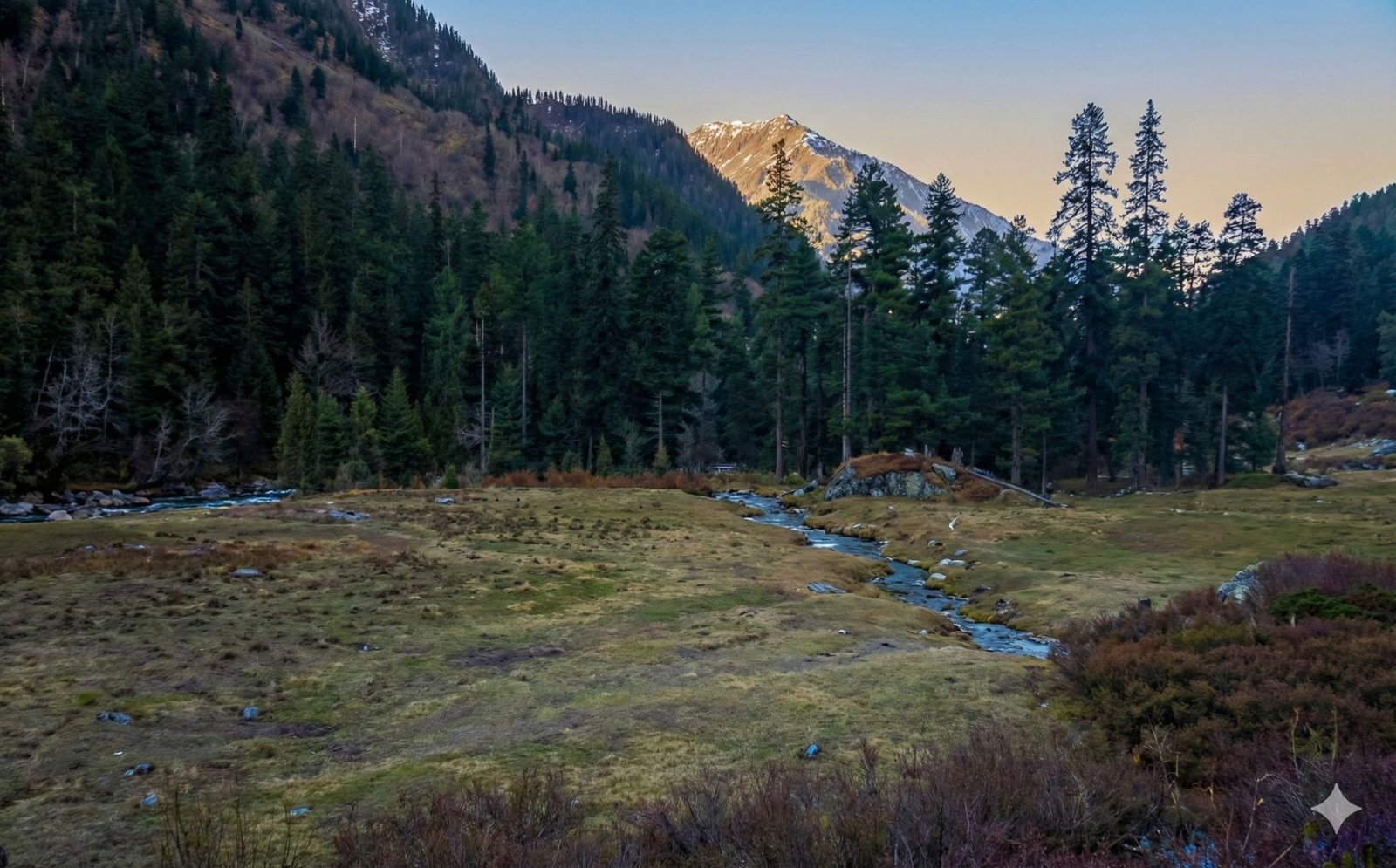
Today’s trek involves a steady ascent as you move deeper into the valley. The trail passes through thick forests and open clearings, with occasional views of surrounding mountains. Although the climb is steeper than the previous day, it is well-balanced with level sections and short breaks. By afternoon, you arrive at Kalkattiyadhaar, a scenic campsite set in the forest with expansive mountain views. The peaceful environment and fresh mountain air make this a perfect place to rest and prepare for the next day.
Day 4: Kalkattiyadhaar to Har Ki Dun and Back
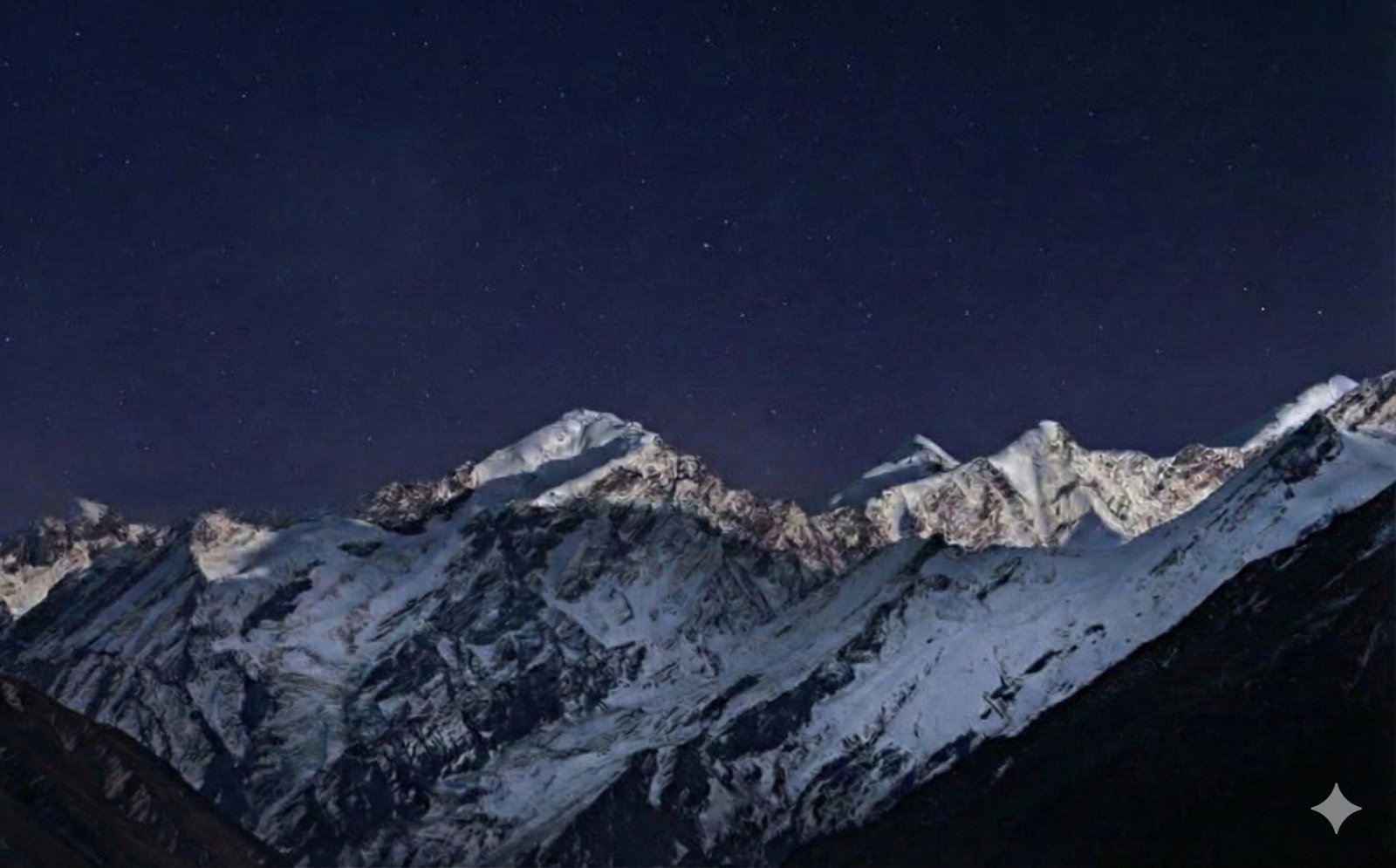
This is the highlight of the trek. Starting early, you hike towards the Har Ki Dun valley, where the landscape slowly opens into wide alpine meadows surrounded by towering snow-covered peaks. As you reach Har Ki Dun, you are rewarded with stunning views of Swargarohini, Black Peak, and Hata Peak. Time is spent exploring the valley, relaxing, and taking photographs before retracing your steps back to Kalkattiyadhaar. Despite being a long day, the trail is gradual and extremely scenic, making the effort worthwhile.
Day 5: Kalkattiyadhaar to Pauni Garaat via Osla
The descent begins today as you trek back toward Pauni Garaat, passing through the traditional village of Osla. This village is known for its wooden houses and rich Himalayan culture, offering a glimpse into the local way of life. The walk is relaxed and mostly downhill, allowing you to enjoy the surroundings at a comfortable pace. By afternoon, you reach Pauni Garaat and settle into the riverside campsite once again.
Day 6: Pauni Garaat to Sankri via Taluka
After breakfast, you trek back from Pauni Garaat to Taluka along the familiar forest trail. From Taluka, a short drive brings you back to Sankri. The rest of the day is spent resting, exploring the village, and reflecting on the journey. A comfortable guest house stay and warm dinner mark the completion of the trekking portion of the adventure.
Day 7: Sankri to Dehradun
The trek concludes with an early morning drive from Sankri to Dehradun. As you descend from the mountains, you carry back memories of forest trails, riverside camps, village life, and the majestic Har Ki Dun valley. Arrival in Dehradun by evening marks the end of an unforgettable Himalayan experience.
Bali Pass Trek
Key Highlights
-
Total Trek Distance: ~44 km -
Summit at 12,500 ft (3,400 m) -
Duration : 7 Days / 6 Nights -
Grade: Easy to Moderate
For Any Queries
-
+91 78955 68363 -
+91 78955 68363
Cost Inclusions:
-
Transportation: Dehradun to Dehradun as per the itinerary
-
Meals: All meals from Day 1 onwards during the trek and at guesthouses
-
Accommodation: Guesthouse stays and high-quality camping arrangements
-
Camping Equipment: Tents, mattresses, and sleeping bags suitable for high-altitude conditions
-
Toilet Facilities: Dry pit-style toilet tents at campsites
-
Kitchen Setup: Dedicated kitchen tent with all equipment and rations
-
Trek Leadership: Certified trek leader assisted by an experienced assistant trek leader / local guide
-
Support Team: Trained high-altitude support staff
-
Cook & Helpers: Experienced mountain cook and camp helpers
-
Logistics Support: Porters / mules for carrying common equipment and supplies
-
Qualified Leadership: Mountaineering course–certified trek leader for technical sections
-
Local Expertise: Local support team providing on-ground geographical and route intelligence
-
Technical Gear: Crampons or micro-spikes provided to trekkers if required
Cost Exclusions:
-
Personal Luggage: Mules or porters for carrying individual personal luggage
-
Emergency Evacuation: Any costs related to emergency evacuation, rescue, or medical services
-
Early Exit from Trek: Expenses incurred if a participant leaves the trek before completion due to personal reasons, health issues, or any other cause
-
Personal Requests: Any additional services such as a personal guide, special meals, personal porter, or private vehicle
-
Unspecified Items: Anything not explicitly mentioned under the “Inclusions” section
Clothing essential
- Thermal Wear (upper and lower)
-
Insulated Jackets:
-
1 Fleece jacket
-
1 Down feather jacket
-
-
Warm Innerwear
-
Gloves:
-
1 Pair woollen gloves
-
1 Pair waterproof gloves
-
-
Trekking Pants: 2 pairs (comfortable for full-day trekking)
-
T-Shirts: 4 in total
-
2 Full-sleeve
-
2 Half-sleeve
-
-
Sweaters:
-
1 Fleece
-
1 Woollen
-
-
Socks: 5 pairs
-
3 Cotton
-
2 Woollen
-
-
Rain Protection: Raincoat or poncho
-
Personal Items: Handkerchiefs and towels
Booking from rental
● Poncho – Rs. 200
● Gloves – Rs. 200
● Head torch – Rs. 150
● Trekking Shoe – Rs. 500
● Gopro – Rs. 2500
● Winter jacket- Rs. 500
● Trekking pole – Rs. 200
● Trek pant – Rs. 400
How to reach
By Air
-
Jolly Grant Airport (DED) serves Dehradun and is located approximately 25 km from the city.
-
There are daily direct flights from Delhi to Dehradun.
By Train
You can take an overnight train from Delhi to Dehradun. Recommended options include:
-
Nanda Devi Express (Train No. 12205)
-
Departure: 11:50 PM | Arrival: 5:40 AM
-
-
Dehradun Express (Train No. 12687)
-
Departure: 9:10 PM | Arrival: 5:00 AM
-
By Bus
-
Regular bus services operate from ISBT Kashmere Gate, Delhi to Dehradun.
-
We strongly recommend using government buses only from ISBT Kashmere Gate.
-
Private buses operating outside ISBT are not considered reliable.
-
Buses usually drop passengers at Dehradun ISBT. From there, proceed to Dehradun Railway Station.
Pickup & Transfer to Sankri
-
Pickup Point: Dehradun Railway Station
-
Pickup Time: 7:00 AM
-
Transport Provider: Hiking Trail vehicles
-
Pickup Cost: Included in the trek fee
-
Expected Arrival at Sankri: Around 6:00 PM
- Thermal Wear (upper and lower)
-
Insulated Jackets:
-
1 Fleece jacket
-
1 Down feather jacket
-
-
Warm Innerwear
-
Gloves:
-
1 Pair woollen gloves
-
1 Pair waterproof gloves
-
-
Trekking Pants: 2 pairs (comfortable for full-day trekking)
-
T-Shirts: 4 in total
-
2 Full-sleeve
-
2 Half-sleeve
-
-
Sweaters:
-
1 Fleece
-
1 Woollen
-
-
Socks: 5 pairs
-
3 Cotton
-
2 Woollen
-
-
Rain Protection: Raincoat or poncho
-
Personal Items: Handkerchiefs and towels
● Poncho – Rs. 200
● Gloves – Rs. 200
● Head torch – Rs. 150
● Trekking Shoe – Rs. 500
● Gopro – Rs. 2500
● Winter jacket- Rs. 500
● Trekking pole – Rs. 200
● Trek pant – Rs. 400
By Air
-
Jolly Grant Airport (DED) serves Dehradun and is located approximately 25 km from the city.
-
There are daily direct flights from Delhi to Dehradun.
By Train
You can take an overnight train from Delhi to Dehradun. Recommended options include:
-
Nanda Devi Express (Train No. 12205)
-
Departure: 11:50 PM | Arrival: 5:40 AM
-
-
Dehradun Express (Train No. 12687)
-
Departure: 9:10 PM | Arrival: 5:00 AM
-
By Bus
-
Regular bus services operate from ISBT Kashmere Gate, Delhi to Dehradun.
-
We strongly recommend using government buses only from ISBT Kashmere Gate.
-
Private buses operating outside ISBT are not considered reliable.
-
Buses usually drop passengers at Dehradun ISBT. From there, proceed to Dehradun Railway Station.
Pickup & Transfer to Sankri
-
Pickup Point: Dehradun Railway Station
-
Pickup Time: 7:00 AM
-
Transport Provider: Hiking Trail vehicles
-
Pickup Cost: Included in the trek fee
-
Expected Arrival at Sankri: Around 6:00 PM
Frequently Asked Questions
1. How difficult is the Har Ki Dun Trek?
The Har Ki Dun Trek is graded Easy to Moderate, making it suitable for beginners with basic fitness. The trail has gradual ascents and well-defined paths, with no technical climbing involved.
2. What is the maximum altitude of the trek?
The highest point of the trek is around 12,500 ft (3,400 m) at Har Ki Dun valley.
3.Is Har Ki Dun suitable for first-time trekkers?
Yes, Har Ki Dun is one of the best treks for first-time trekkers. The slow altitude gain, comfortable campsites, and scenic trails make it ideal for beginners.
4. What is the best time to do the Har Ki Dun Trek?`
The trek can be done in spring (March–April), summer (May–June), autumn (September–November), and winter (December–February). Each season offers a different experience, from greenery and flowers to snow-covered landscapes.
5. What kind of accommodation is provided during the trek?
ccommodation includes guest house stays at Sankri and tented camping during the trek. Campsites are scenic and usually located near rivers or forest clearings.