Chardham Yatra
Overview
Chardham Yatra
The Chardham Yatra is a sacred journey through the Himalayas, covering four holy shrines in Uttarakhand. It includes visits to Yamunotri Temple, Gangotri Temple, Kedarnath Temple, and Badrinath Temple. This pilgrimage is believed to cleanse sins and lead one towards spiritual liberation. The journey combines divine experiences with breathtaking mountain landscapes and river valleys. Open from April/May to October/November, it attracts millions of devotees every year. More than just a trip, it is a powerful blend of faith, adventure, and inner transformation.
What makes the Chardham Yatra special?
The journey is not easy; it involves long drives, high-altitude conditions, and treks, especially to Kedarnath, which makes the experience even more meaningful and fulfilling. As you travel through Uttarakhand, you witness majestic mountains, sacred rivers, and untouched natural beauty that adds a magical dimension to the pilgrimage.
What truly sets it apart is the emotional transformation—people don’t just return with memories, they come back with a sense of peace, strength, and connection to something greater than themselves.
Read Our
Detailed Itinerary
Day 1: Arrival at Haridwar → Drive to Barkot (180 km / 7–8 hrs)
Your spiritual journey begins from Haridwar, one of the holiest cities in India. After pickup, drive towards Barkot via Dehradun and Mussoorie.
- En route: Enjoy views of Kempty Falls and lush green valleys
- The drive gradually transitions from plains to mountains
- Reach Barkot by evening, a peaceful town on the banks of the Yamuna River
🛏️ Overnight Stay: Barkot
✨ Tip: Rest well—your first dham begins tomorrow
Day 2: Barkot → Yamunotri → Barkot (45 km drive + 6 km trek one side)
Early morning drive to Janki Chatti, the starting point of the trek to Yamunotri Temple.
- Trek options: Walk / Pony / Palki
- Visit Surya Kund (hot water spring) and Divya Shila
- Offer prayers at Yamunotri Temple (source of River Yamuna)
Return trek to Janki Chatti and drive back to Barkot.
🛏️ Overnight Stay: Barkot
🔥 Experience: First dham darshan with a mix of adventure and devotion
Day 3: Barkot → Uttarkashi (100 km / 4–5 hrs)
After breakfast, drive to Uttarkashi, a spiritual hub on the banks of the Bhagirathi River.
- Visit Kashi Vishwanath Temple (one of the oldest Shiva temples)
- Explore local market and riverside ghats
- A relaxed day to recharge before next dham
🛏️ Overnight Stay: Uttarkashi
🌊 Vibe: Calm, spiritual, and scenic
Day 4: Uttarkashi → Gangotri → Uttarkashi (100 km each side)
Early morning drive to Gangotri Temple.
- Witness the origin of the holy River Ganga
- Visit Bhagirath Shila and perform rituals
- Surrounded by snow-clad peaks and pine forests
After darshan, return to Uttarkashi.
🛏️ Overnight Stay: Uttarkashi
✨ Experience: Pure divine energy and Himalayan beauty
Day 5: Uttarkashi → Guptkashi / Phata (220 km / 8–9 hrs)
A long but scenic drive towards Guptkashi or Phata.
- Drive along the Bhagirathi and Mandakini rivers
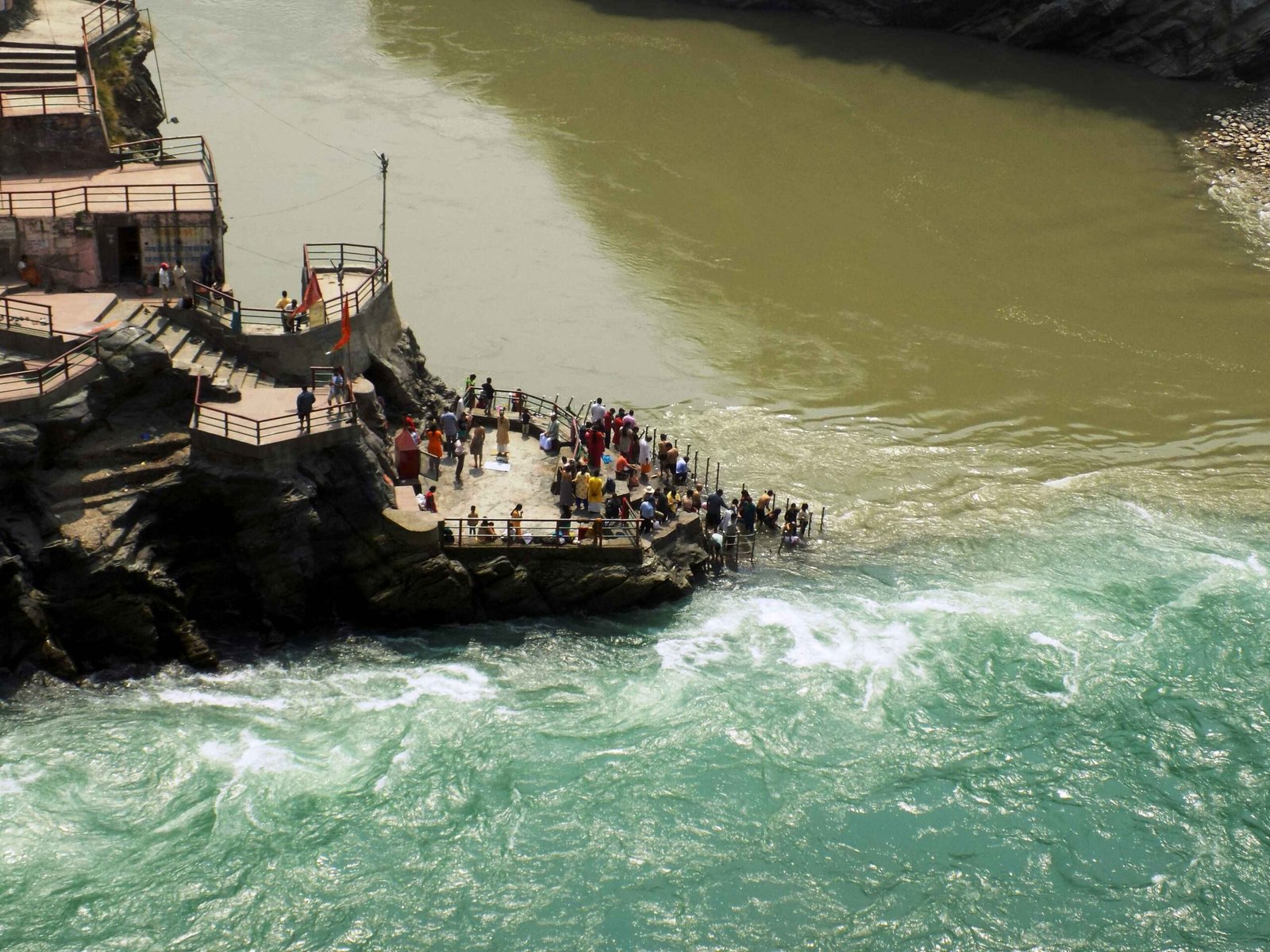
- Witness Devprayag (confluence of Alaknanda & Bhagirathi forming Ganga)
- Reach Guptkashi/Phata by evening
🛏️ Overnight Stay: Guptkashi / Phata
⚡ Note: Prepare mentally for Kedarnath trek next day
Day 6: Guptkashi → Kedarnath (30 km drive + 16–18 km trek)
Drive to Sonprayag, then to Gaurikund, and begin trek to Kedarnath Temple.
- Trek options: Walk / Pony / Palki / Helicopter (from Phata/Sirsi)
- One of the most sacred Jyotirlingas of Lord Shiva
- Evening aarti at Kedarnath Temple is a lifetime experience
🛏️ Overnight Stay: Kedarnath (basic accommodation)
🔥 Highlight: Most powerful and emotional part of the Yatra
Day 7: Kedarnath → Guptkashi (Trek down + drive)
Attend early morning darshan at Kedarnath.
- Start trek back to Gaurikund
- Drive to Guptkashi/Phata
- Rest and recover after a physically demanding day
🛏️ Overnight Stay: Guptkashi / Phata
💪 Recovery day after the toughest segment
Day 8: Guptkashi → Badrinath (200 km / 7–8 hrs)
Drive towards Badrinath Temple via Joshimath.
- Visit Narsingh Temple in Joshimath (winter seat of Badrinath)
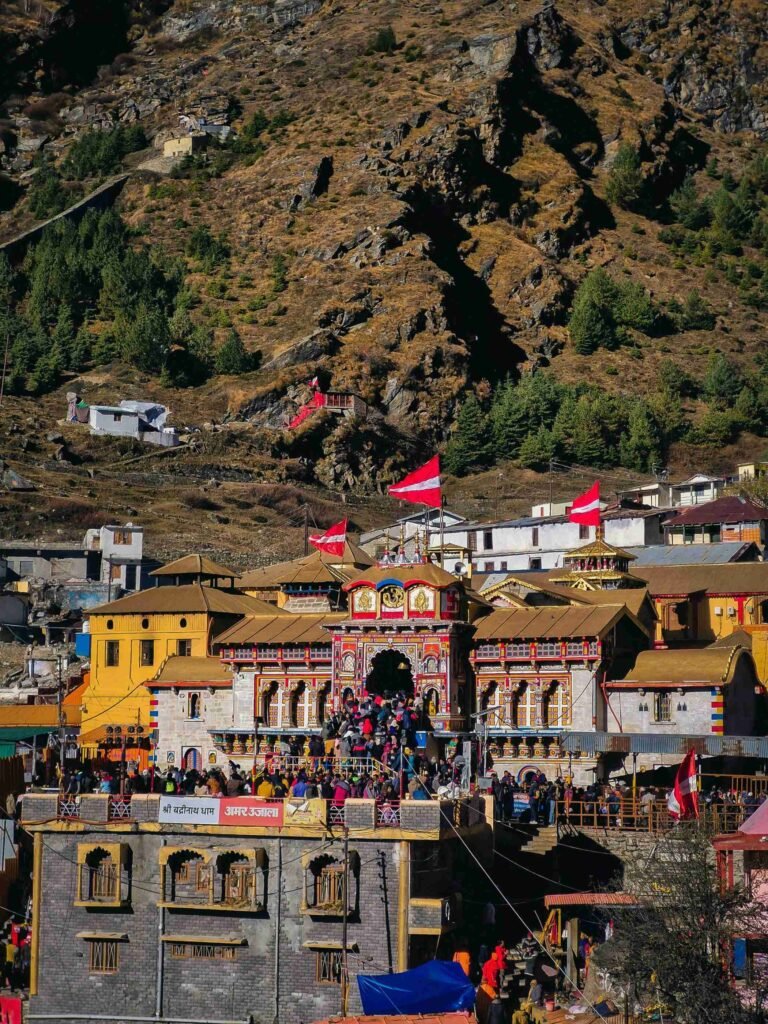
- Reach Badrinath and attend evening aarti
- Take a holy dip in Tapt Kund before darshan
🛏️ Overnight Stay: Badrinath
✨ Spiritual peak of the journey
Day 9: Badrinath → Rudraprayag / Srinagar (160–180 km)
Morning darshan at Badrinath Temple.
- Visit Mana Village (last village of India near Indo-Tibet border)
- Explore Vyas Gufa, Bhim Pul, Saraswati River
- Drive towards Rudraprayag or Srinagar
🛏️ Overnight Stay: Rudraprayag / Srinagar
🏔️ Blend of mythology and scenic beauty
Day 10: Rudraprayag → Haridwar (160 km / 6–7 hrs)
Drive back to Haridwar.
- En route: Witness river confluences (Prayags)
- Drop at Haridwar with unforgettable memories
🙏 Yatra Concludes
Black Peak Expedition
Key Highlights
-
Starting Point: ~Delhi/ Haridwar -
For Nature and Spiritual Lovers -
Duration : 11 Days -
Grade: Challenging
For Any Queries
-
+91 78955 68363 -
+91 78955 68363
Cost Inclusions:
-
Transportation: Dehradun to Dehradun as per the itinerary
-
Meals: All meals from Day 1 onwards during the trek and at guesthouses
-
Accommodation: Guesthouse stays and high-quality camping arrangements
-
Camping Equipment: Tents, mattresses, and sleeping bags suitable for high-altitude conditions
-
Toilet Facilities: Dry pit-style toilet tents at campsites
-
Kitchen Setup: Dedicated kitchen tent with all equipment and rations
-
Trek Leadership: Certified trek leader assisted by an experienced assistant trek leader / local guide
-
Support Team: Trained high-altitude support staff
-
Cook & Helpers: Experienced mountain cook and camp helpers
-
Logistics Support: Porters / mules for carrying common equipment and supplies
-
Qualified Leadership: Mountaineering course–certified trek leader for technical sections
-
Local Expertise: Local support team providing on-ground geographical and route intelligence
-
Technical Gear: Crampons or micro-spikes provided to trekkers if required
Cost Exclusions:
-
Personal Luggage: Mules or porters for carrying individual personal luggage
-
Emergency Evacuation: Any costs related to emergency evacuation, rescue, or medical services
-
Early Exit from Trek: Expenses incurred if a participant leaves the trek before completion due to personal reasons, health issues, or any other cause
-
Personal Requests: Any additional services such as a personal guide, special meals, personal porter, or private vehicle
-
Unspecified Items: Anything not explicitly mentioned under the “Inclusions” section
Clothing essential
- Thermal Wear (upper and lower)
-
Insulated Jackets:
-
1 Fleece jacket
-
1 Down feather jacket
-
-
Warm Innerwear
-
Gloves:
-
1 Pair woollen gloves
-
1 Pair waterproof gloves
-
-
Trekking Pants: 2 pairs (comfortable for full-day trekking)
-
T-Shirts: 4 in total
-
2 Full-sleeve
-
2 Half-sleeve
-
-
Sweaters:
-
1 Fleece
-
1 Woollen
-
-
Socks: 5 pairs
-
3 Cotton
-
2 Woollen
-
-
Rain Protection: Raincoat or poncho
-
Personal Items: Handkerchiefs and towels
Booking from rental
● Poncho – Rs. 200
● Gloves – Rs. 200
● Head torch – Rs. 150
● Trekking Shoe – Rs. 500
● Gopro – Rs. 2500
● Winter jacket- Rs. 500
● Trekking pole – Rs. 200
● Trek pant – Rs. 400
How to reach
By Air
-
Jolly Grant Airport (DED) serves Dehradun and is located approximately 25 km from the city.
-
There are daily direct flights from Delhi to Dehradun.
By Train
You can take an overnight train from Delhi to Dehradun. Recommended options include:
-
Nanda Devi Express (Train No. 12205)
-
Departure: 11:50 PM | Arrival: 5:40 AM
-
-
Dehradun Express (Train No. 12687)
-
Departure: 9:10 PM | Arrival: 5:00 AM
-
By Bus
-
Regular bus services operate from ISBT Kashmere Gate, Delhi to Dehradun.
-
We strongly recommend using government buses only from ISBT Kashmere Gate.
-
Private buses operating outside ISBT are not considered reliable.
-
Buses usually drop passengers at Dehradun ISBT. From there, proceed to Dehradun Railway Station.
Pickup & Transfer to Sankri
-
Pickup Point: Dehradun Railway Station
-
Pickup Time: 7:00 AM
-
Transport Provider: Hiking Trail vehicles
-
Pickup Cost: Included in the trek fee
-
Expected Arrival at Sankri: Around 6:00 PM
- Thermal Wear (upper and lower)
-
Insulated Jackets:
-
1 Fleece jacket
-
1 Down feather jacket
-
-
Warm Innerwear
-
Gloves:
-
1 Pair woollen gloves
-
1 Pair waterproof gloves
-
-
Trekking Pants: 2 pairs (comfortable for full-day trekking)
-
T-Shirts: 4 in total
-
2 Full-sleeve
-
2 Half-sleeve
-
-
Sweaters:
-
1 Fleece
-
1 Woollen
-
-
Socks: 5 pairs
-
3 Cotton
-
2 Woollen
-
-
Rain Protection: Raincoat or poncho
-
Personal Items: Handkerchiefs and towels
● Poncho – Rs. 200
● Gloves – Rs. 200
● Head torch – Rs. 150
● Trekking Shoe – Rs. 500
● Gopro – Rs. 2500
● Winter jacket- Rs. 500
● Trekking pole – Rs. 200
● Trek pant – Rs. 400
By Air
-
Jolly Grant Airport (DED) serves Dehradun and is located approximately 25 km from the city.
-
There are daily direct flights from Delhi to Dehradun.
By Train
You can take an overnight train from Delhi to Dehradun. Recommended options include:
-
Nanda Devi Express (Train No. 12205)
-
Departure: 11:50 PM | Arrival: 5:40 AM
-
-
Dehradun Express (Train No. 12687)
-
Departure: 9:10 PM | Arrival: 5:00 AM
-
By Bus
-
Regular bus services operate from ISBT Kashmere Gate, Delhi to Dehradun.
-
We strongly recommend using government buses only from ISBT Kashmere Gate.
-
Private buses operating outside ISBT are not considered reliable.
-
Buses usually drop passengers at Dehradun ISBT. From there, proceed to Dehradun Railway Station.
Pickup & Transfer to Sankri
-
Pickup Point: Dehradun Railway Station
-
Pickup Time: 7:00 AM
-
Transport Provider: Hiking Trail vehicles
-
Pickup Cost: Included in the trek fee
-
Expected Arrival at Sankri: Around 6:00 PM
Frequently Asked Questions
1. What is the best time to visit Chardham?
The yatra is open from April/May to October/November. The best months are May–June and September–October.
2. Is the yatra suitable for senior citizens?
Yes, but proper planning is required. Helicopter options and comfortable stays are recommended.
3. Are meals included in packages?
Most packages include breakfast and dinner, especially in standard and premium plans.
4. Why is Chardham Yatra so important?
It is believed that completing the yatra cleanses sins and helps attain spiritual peace and moksha.
5. Is registration required for Chardham Yatra?
Yes, registration is mandatory for all pilgrims. It can be done online or at designated centers in Uttarakhand.