satopanth tal
Overview
Satopanth Tal Expedition
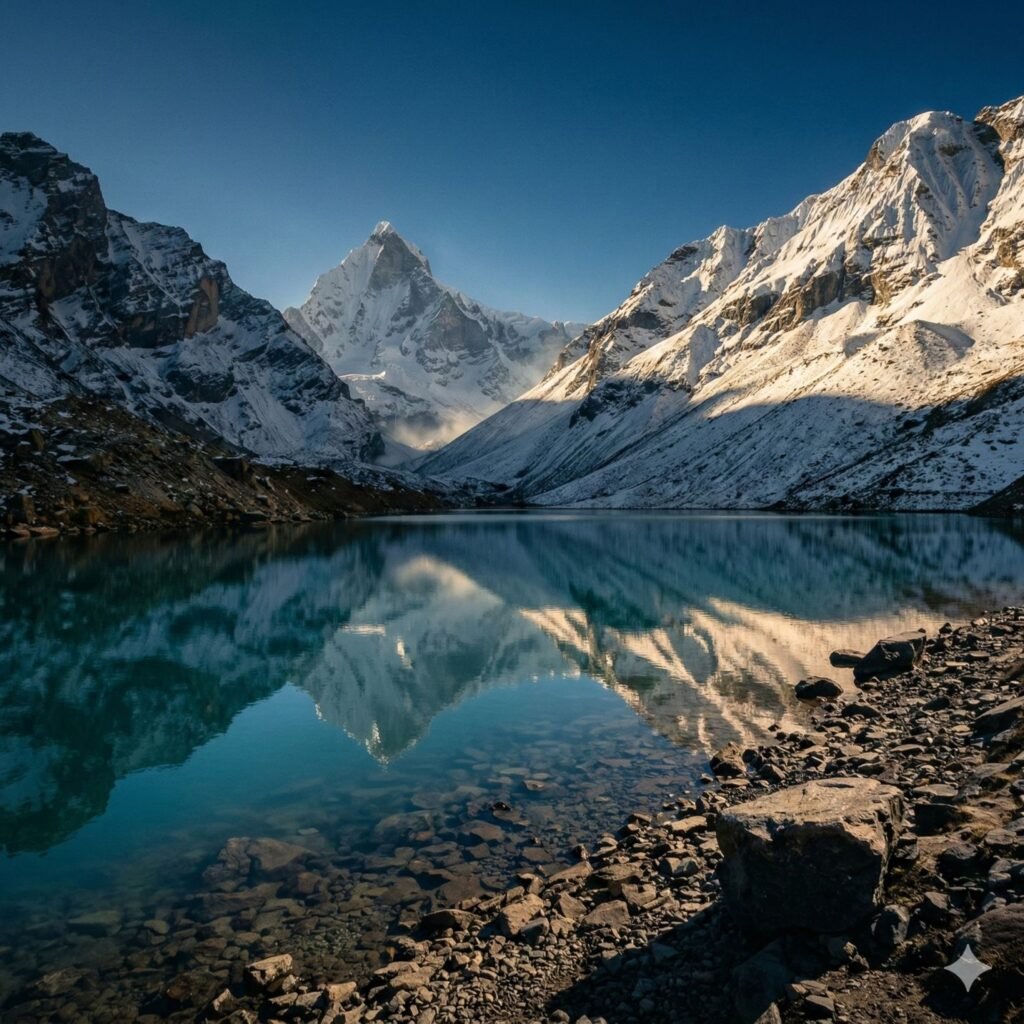
Satopanth Lake is a sacred high-altitude glacial lake located at approximately 4,600 meters (15,100 feet) in the Garhwal Himalayas of Uttarakhand. Nestled at the base of the majestic Chaukhamba massif, the lake lies beyond Badrinath and is considered one of the most spiritually powerful and visually stunning alpine lakes in India.
The name “Satopanth” translates to “Path of Truth.” According to Hindu mythology, it is believed that Lord Brahma, Lord Vishnu, and Lord Shiva meditate at the three corners of this triangular lake on auspicious days. The lake’s perfectly triangular shape adds to its mystical aura, and many locals consider its waters sacred and spiritually purifying.
What makes the Satopanth Tal special?
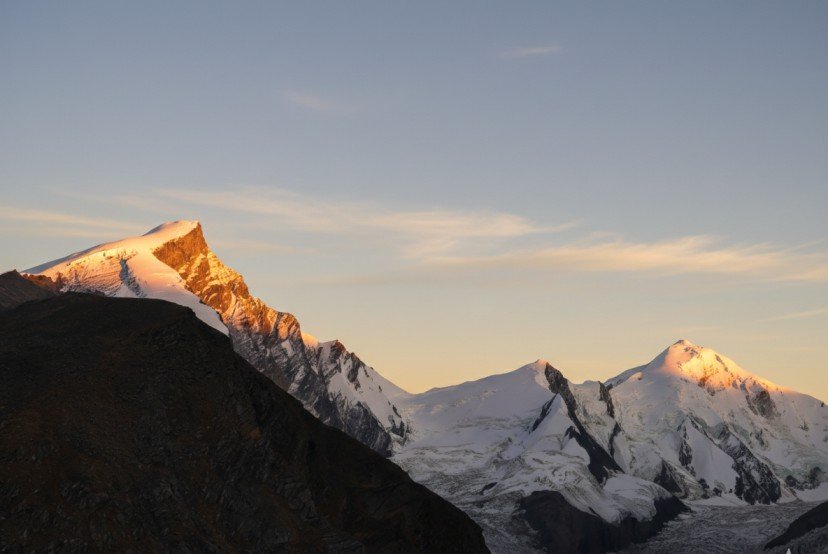
The trek to Satopanth Lake typically begins from Badrinath Temple, one of the four sacred shrines of the Char Dham Yatra. From Badrinath, trekkers pass through Mana village — the last Indian village near the Indo-Tibetan border — and proceed along the Alaknanda River valley. The route gradually transitions from rocky terrain and glacial moraine to vast alpine landscapes surrounded by towering Himalayan giants such as Chaukhamba, Nilkanth, and Balakun peaks.
As the trail ascends, the terrain becomes increasingly rugged and remote, crossing sections of the Satopanth Glacier. The final approach to the lake opens into a surreal amphitheater of snow-covered peaks reflected in crystal-clear waters.
Read Our
Short Itinerary
Day-1: Drive From Rishikesh To Pipalkoti
Drive to Mana via Badrinath and trek to Lakshmi Van
Lakshmi Van To Chakrateertha
Chakrateertha To Satopanth Tal And Back
Chakrateertha To Mana and drive to Badrinath
Badrinath To Rishikesh
Read Our
Detailed Itinerary
Day 1: Drive from Rishikesh to Pipalkoti (1,500 m / 4,950 ft)
Your journey begins early in the morning at 6:00 AM from Rishikesh, where trekkers are picked up from the designated office in a Tata Sumo or similar vehicle. The long yet incredibly scenic 200 km drive takes you deep into the Garhwal Himalayas over approximately 10 hours. The road follows the sacred Alaknanda River, passing through Devprayag — the confluence of Bhagirathi and Alaknanda — and winding through dramatic mountain valleys and hillside towns. Breakfast and lunch are taken en route at roadside inns. As the altitude gradually increases, the air turns cooler and the landscape becomes more mountainous. By late afternoon, you reach Pipalkoti, a peaceful Himalayan town surrounded by green slopes. After check-in at the guest house, tea is served followed by a detailed trek briefing session where guides explain the route, safety protocols, and equipment checks. Dinner is served at the guest house, and the night is spent resting before the adventure begins. Mobile network is generally available here.
Day 2: Drive to Mana via Badrinath and Trek to Lakshmi Van (11,900 ft)
After an early breakfast, you drive approximately 80 km toward Mana, the last Indian village near the Indo-Tibetan border, passing through the sacred town of Badrinath Temple. The drive takes around 3–4 hours and offers stunning mountain views as the terrain becomes increasingly rugged. From Mana, the trek begins along the Alaknanda River valley. The initial trail is gradual but steadily gains altitude. One of the major highlights today is witnessing the majestic Vasundhara Falls, a spectacular 400-foot waterfall cascading dramatically down rocky cliffs. As you continue, you also catch sight of the Alkapuri Glacier, believed to be the origin point of the Alaknanda River. The surrounding landscape becomes barren and dramatic, with towering peaks and vast moraine fields. After trekking for about 5–6 hours, you arrive at Lakshmi Van, a beautiful campsite nestled among birch trees and alpine surroundings. The night is spent in twin-sharing tents under a sky filled with Himalayan stars.
Day 3: Lakshmi Van to Chakrateertha (13,658 ft)
Today’s trek moves deeper into glacial terrain as you leave behind the sparse greenery of Lakshmi Van. The 7 km stretch to Chakrateertha takes approximately 5–6 hours and involves navigating rocky paths and moraine sections. As altitude increases, the oxygen level drops slightly, and the environment feels more isolated and raw. The magnificent Chaukhamba massif begins to dominate the skyline, standing tall and majestic against the blue Himalayan sky. The terrain becomes increasingly rugged, with sections of loose rocks and glacier debris requiring steady footing. Upon reaching Chakrateertha, you find yourself surrounded by towering snow-clad peaks in a vast natural amphitheater. The campsite here feels remote and powerful, offering unmatched views of the surrounding Himalayan giants. The night is spent in tents, preparing mentally for the visit to Satopanth Tal the following day.
Day 4: Chakrateertha to Satopanth Tal and Back (14,258 ft)
This is the most awaited day of the expedition. After an early breakfast, you begin the 5 km ascent toward Satopanth Lake, gaining further altitude through glacial and rocky terrain. The trail demands patience and careful movement as you cross moraine and sections near the glacier. After approximately 4 hours of steady climbing, the breathtaking Satopanth Tal finally reveals itself — a pristine triangular glacial lake set at 4,350 meters (14,258 ft). According to mythology, Lord Brahma, Vishnu, and Mahesh meditate at its three corners. The crystal-clear waters reflect the towering Chaukhamba peaks, creating a surreal and spiritually uplifting atmosphere. After spending time absorbing the beauty and tranquility of the lake, you retrace your steps back to Chakrateertha. The total trekking duration for the day is about 8 hours. The night is again spent at the campsite.
Day 5: Chakrateertha to Mana and Drive to Badrinath (10,830 ft)
Today involves a long descent of approximately 15 km back to Mana village, taking about 5–6 hours. Descending through familiar terrain feels easier as oxygen levels increase and the landscape gradually transitions from barren glacial fields to alpine slopes. Upon reaching Mana, a short 5 km drive of about 10 minutes brings you to Badrinath. The evening can be spent exploring the sacred town and visiting Badrinath Temple, one of the Char Dham shrines. After days in the wilderness, staying in a hotel provides comfort and warmth. This marks the completion of the trekking phase.
Day 6: Badrinath to Rishikesh (290 km Drive)
The return journey begins early at 6:00 AM as you drive approximately 290 km back to Rishikesh, taking around 10–11 hours. Breakfast and lunch are taken at roadside inns along the way. The drive retraces the beautiful Alaknanda valley, offering one final glimpse of the majestic Garhwal mountains. By around 6:00 PM, you reach Rishikesh, carrying memories of high-altitude lakes, sacred glaciers, and towering Himalayan peaks.
Black Peak Expedition
Key Highlights
-
Total Trek Distance: ~40 km -
Summit at 14400 Ft. -
Duration : 06 Days -
Grade: Challenging
For Any Queries
-
+91 78955 68363 -
+91 78955 68363
Cost Inclusions:
-
Transportation: Dehradun to Dehradun as per the itinerary
-
Meals: All meals from Day 1 onwards during the trek and at guesthouses
-
Accommodation: Guesthouse stays and high-quality camping arrangements
-
Camping Equipment: Tents, mattresses, and sleeping bags suitable for high-altitude conditions
-
Toilet Facilities: Dry pit-style toilet tents at campsites
-
Kitchen Setup: Dedicated kitchen tent with all equipment and rations
-
Trek Leadership: Certified trek leader assisted by an experienced assistant trek leader / local guide
-
Support Team: Trained high-altitude support staff
-
Cook & Helpers: Experienced mountain cook and camp helpers
-
Logistics Support: Porters / mules for carrying common equipment and supplies
-
Qualified Leadership: Mountaineering course–certified trek leader for technical sections
-
Local Expertise: Local support team providing on-ground geographical and route intelligence
-
Technical Gear: Crampons or micro-spikes provided to trekkers if required
Cost Exclusions:
-
Personal Luggage: Mules or porters for carrying individual personal luggage
-
Emergency Evacuation: Any costs related to emergency evacuation, rescue, or medical services
-
Early Exit from Trek: Expenses incurred if a participant leaves the trek before completion due to personal reasons, health issues, or any other cause
-
Personal Requests: Any additional services such as a personal guide, special meals, personal porter, or private vehicle
-
Unspecified Items: Anything not explicitly mentioned under the “Inclusions” section
Clothing essential
- Thermal Wear (upper and lower)
-
Insulated Jackets:
-
1 Fleece jacket
-
1 Down feather jacket
-
-
Warm Innerwear
-
Gloves:
-
1 Pair woollen gloves
-
1 Pair waterproof gloves
-
-
Trekking Pants: 2 pairs (comfortable for full-day trekking)
-
T-Shirts: 4 in total
-
2 Full-sleeve
-
2 Half-sleeve
-
-
Sweaters:
-
1 Fleece
-
1 Woollen
-
-
Socks: 5 pairs
-
3 Cotton
-
2 Woollen
-
-
Rain Protection: Raincoat or poncho
-
Personal Items: Handkerchiefs and towels
Booking from rental
● Poncho – Rs. 200
● Gloves – Rs. 200
● Head torch – Rs. 150
● Trekking Shoe – Rs. 500
● Gopro – Rs. 2500
● Winter jacket- Rs. 500
● Trekking pole – Rs. 200
● Trek pant – Rs. 400
How to reach
By Air
-
Jolly Grant Airport (DED) serves Dehradun and is located approximately 25 km from the city.
-
There are daily direct flights from Delhi to Dehradun.
By Train
You can take an overnight train from Delhi to Dehradun. Recommended options include:
-
Nanda Devi Express (Train No. 12205)
-
Departure: 11:50 PM | Arrival: 5:40 AM
-
-
Dehradun Express (Train No. 12687)
-
Departure: 9:10 PM | Arrival: 5:00 AM
-
By Bus
-
Regular bus services operate from ISBT Kashmere Gate, Delhi to Dehradun.
-
We strongly recommend using government buses only from ISBT Kashmere Gate.
-
Private buses operating outside ISBT are not considered reliable.
-
Buses usually drop passengers at Dehradun ISBT. From there, proceed to Dehradun Railway Station.
Pickup & Transfer to Sankri
-
Pickup Point: Dehradun Railway Station
-
Pickup Time: 7:00 AM
-
Transport Provider: Hiking Trail vehicles
-
Pickup Cost: Included in the trek fee
-
Expected Arrival at Sankri: Around 6:00 PM
- Thermal Wear (upper and lower)
-
Insulated Jackets:
-
1 Fleece jacket
-
1 Down feather jacket
-
-
Warm Innerwear
-
Gloves:
-
1 Pair woollen gloves
-
1 Pair waterproof gloves
-
-
Trekking Pants: 2 pairs (comfortable for full-day trekking)
-
T-Shirts: 4 in total
-
2 Full-sleeve
-
2 Half-sleeve
-
-
Sweaters:
-
1 Fleece
-
1 Woollen
-
-
Socks: 5 pairs
-
3 Cotton
-
2 Woollen
-
-
Rain Protection: Raincoat or poncho
-
Personal Items: Handkerchiefs and towels
● Poncho – Rs. 200
● Gloves – Rs. 200
● Head torch – Rs. 150
● Trekking Shoe – Rs. 500
● Gopro – Rs. 2500
● Winter jacket- Rs. 500
● Trekking pole – Rs. 200
● Trek pant – Rs. 400
By Air
-
Jolly Grant Airport (DED) serves Dehradun and is located approximately 25 km from the city.
-
There are daily direct flights from Delhi to Dehradun.
By Train
You can take an overnight train from Delhi to Dehradun. Recommended options include:
-
Nanda Devi Express (Train No. 12205)
-
Departure: 11:50 PM | Arrival: 5:40 AM
-
-
Dehradun Express (Train No. 12687)
-
Departure: 9:10 PM | Arrival: 5:00 AM
-
By Bus
-
Regular bus services operate from ISBT Kashmere Gate, Delhi to Dehradun.
-
We strongly recommend using government buses only from ISBT Kashmere Gate.
-
Private buses operating outside ISBT are not considered reliable.
-
Buses usually drop passengers at Dehradun ISBT. From there, proceed to Dehradun Railway Station.
Pickup & Transfer to Sankri
-
Pickup Point: Dehradun Railway Station
-
Pickup Time: 7:00 AM
-
Transport Provider: Hiking Trail vehicles
-
Pickup Cost: Included in the trek fee
-
Expected Arrival at Sankri: Around 6:00 PM
Frequently Asked Questions
1. Where is Satopanth Lake located?
Satopanth Lake is located in the Garhwal Himalayas of Uttarakhand at an altitude of around 4,600 meters (14,258 ft). It lies beyond Mana village, near Badrinath Temple, and close to the base of the Chaukhamba massif.
2. What is the altitude of Satopanth Lake?
The lake sits at approximately 4,600 meters (14,258 feet) above sea level, making it a high-altitude alpine glacial lake.
3. Why is Satopanth Lake considered sacred?
According to Hindu mythology, the triangular-shaped lake is believed to be the meditation site of Lord Brahma, Lord Vishnu, and Lord Shiva, each occupying one corner of the lake on auspicious days. The name “Satopanth” means Path of Truth, symbolizing spiritual purity and divine connection.
4. How difficult is the Satopanth trek?
The trek is categorized as moderate to difficult. While it does not require technical mountaineering skills, it involves long trekking hours, glacier sections, moraine terrain, and high-altitude exposure. Good physical fitness and prior trekking experience are recommended.
5. What are the major highlights of this trek?
Key highlights include:
The majestic 400-ft Vasundhara Falls
View of Alkapuri Glacier (origin of the Alaknanda River)
Close views of Chaukhamba peaks
The pristine triangular Satopanth Lake
Spiritual proximity to Badrinath